The Kentucky Judge Who Decided the Supreme Court Didn't Apply to His Courtroom — and Then Just Kept Holding Court
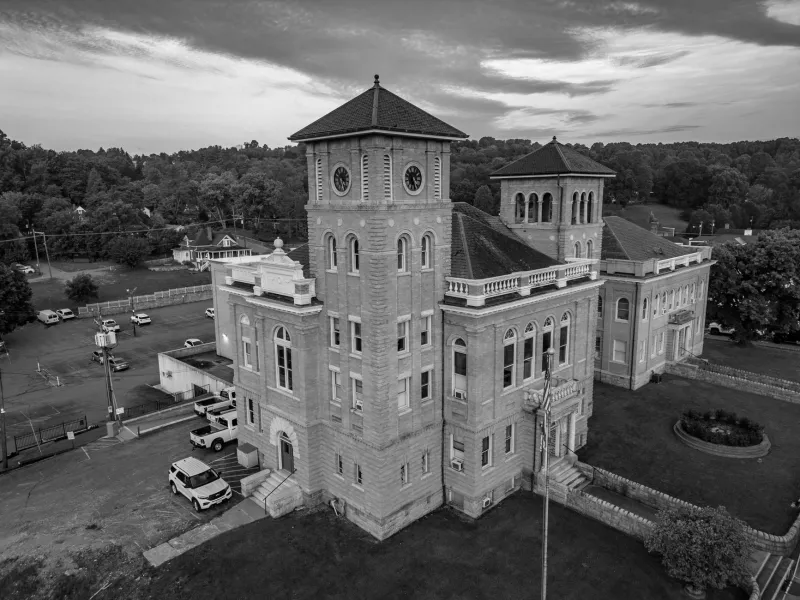
The Ruling That Was Supposed to Settle Everything — Except in One Kentucky Courthouse
On May 17, 1954, the Supreme Court of the United States handed down Brown v. Board of Education and changed the legal architecture of the country. The ruling was unanimous. The language was clear. Racial segregation in public schools was unconstitutional, full stop.
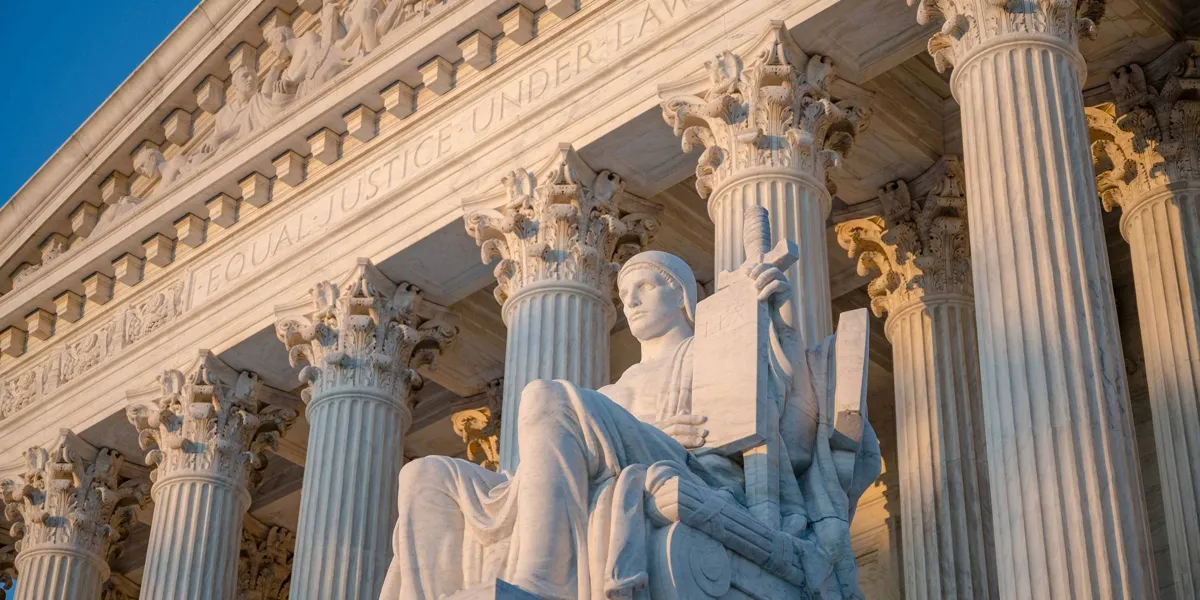 Photo: Supreme Court of the United States, via res.cloudinary.com
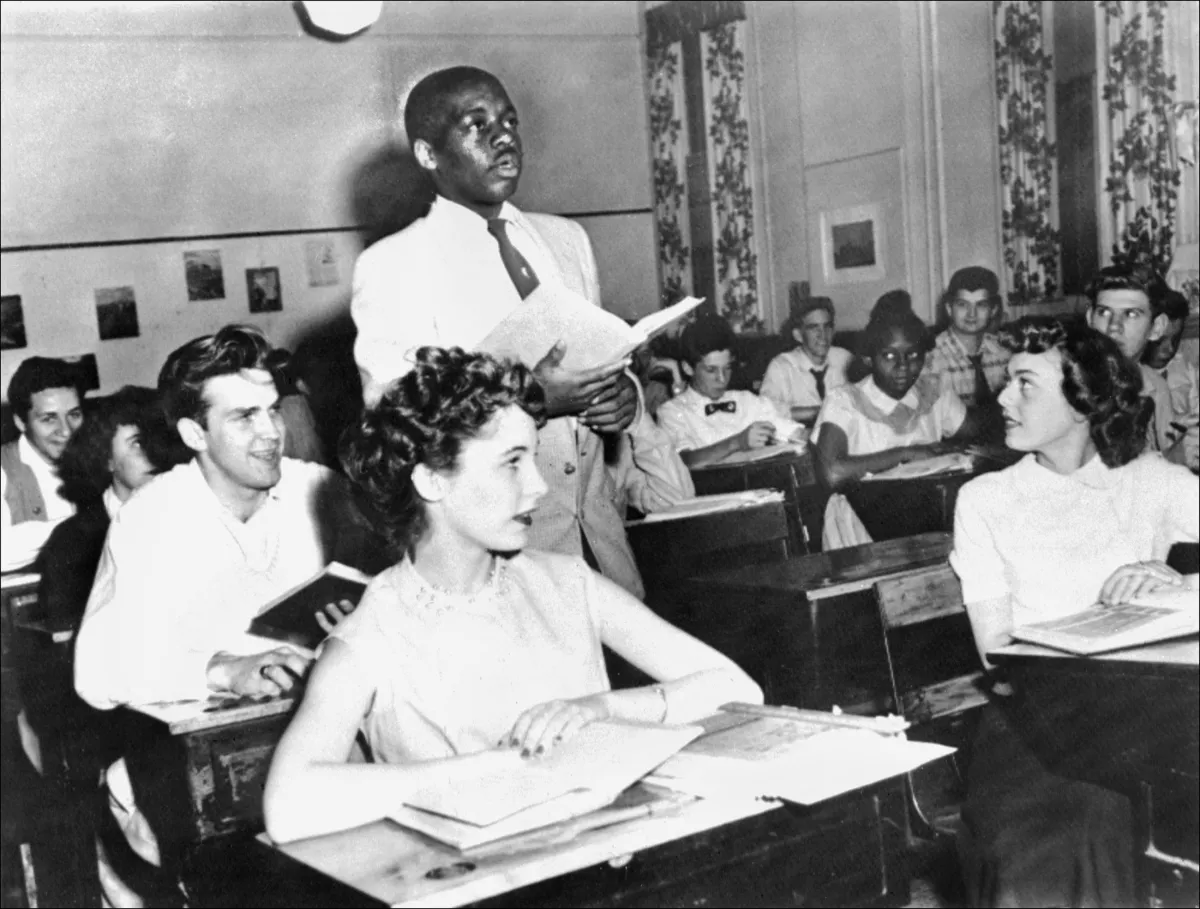 Photo: Brown v. Board of Education, via i.huffpost.com
What followed, particularly across the rural South and parts of the border states, was one of the most varied and creative collections of non-compliance in American legal history. States passed interposition resolutions. School boards dissolved themselves. Governors gave speeches. The resistance took dozens of forms, most of them legally hollow, all of them deeply revealing about the gap between a court ruling and the practical authority to enforce it.
And then there was the Kentucky judge who decided the most logical response was to simply declare his courtroom a different country.
The Declaration
The precise details of the judge's written declaration — the specific language, the date of issuance, the exact circuit — have been partially obscured by the way local court records from that era were maintained and archived, which is to say inconsistently and sometimes not at all. What legal historians have pieced together from contemporaneous accounts, state bar records, and federal correspondence is the outline of something genuinely extraordinary.
Faced with the expanding reach of federal desegregation authority and subsequent appellate rulings that began affecting not just schools but courtroom procedures, witness seating, and the administration of justice more broadly, the judge issued a written order — addressed to his own court record, not to any higher authority — declaring that his circuit operated under a distinct jurisdictional framework not subject to federal appellate review on matters of local procedure.
The argument, such as it was, drew on a half-digested version of states' rights theory and a creative misreading of the Tenth Amendment. It was not legally sound. It was not going to survive contact with a federal district court. But in the short term, in a rural Kentucky circuit where the judge was the only judicial authority most residents would ever encounter, it didn't need to survive federal scrutiny. It just needed to keep working locally.
For a while, it did.
The Courtroom That Operated on Its Own Rules
For roughly three years following the declaration, the judge continued holding proceedings under his self-described jurisdictional framework. Court was called. Cases were heard. Rulings were issued. From the perspective of anyone appearing before him, nothing looked different — because the declaration was, in practical terms, invisible to most of the people it affected.
This is one of the aspects of the story that legal scholars find most instructive. The judge's declaration didn't create a visible crisis. It created a quiet one. The people most likely to challenge it — Black residents seeking the procedural protections that federal rulings were beginning to mandate — were also the people with the least access to the appellate process that would have exposed it. The declaration worked precisely because the communities it was designed to disadvantage had limited means to escalate.
It wasn't until a case with sufficiently wealthy and motivated parties wound its way toward appeal that the underlying declaration surfaced in any formal record. When a state appellate court encountered a reference to the judge's jurisdictional framework in a case file, the response was reportedly a long pause followed by a request for clarification.
The clarification was not reassuring.
The Federal Government Steps In — Eventually
The federal intervention, when it came, was not dramatic. There was no marshals-at-the-door moment, no televised confrontation. Federal judicial oversight in this era operated through correspondence, through quiet pressure applied via the state court system, and through the implicit understanding that a judge who wanted to keep his position needed to align his written orders with the law of the land.
The judge retired. His declaration was never formally adjudicated — meaning no court ever issued a ruling specifically addressing whether his courtroom had, even briefly, existed in some kind of legal no-man's-land. The cases decided during those three years were not systematically reviewed. The declaration itself was not entered into any official record of disciplinary proceedings, because no formal disciplinary proceedings were initiated.
It simply stopped. The way a lot of things stop — not with a judgment, but with the quiet accumulation of pressure until continuation became more trouble than it was worth.
Why Legal Historians Keep Coming Back to This Story
The case gets cited — carefully, anonymously, with significant hedging about the incompleteness of the record — in academic discussions of what constitutional scholars call "judicial nullification": the phenomenon of individual judges effectively refusing to apply federal law within their jurisdictions.
What makes this particular case unusual isn't the refusal itself, which had plenty of company in that era. It's the written declaration. Most judges who resisted federal authority did so passively — by dragging their feet, by finding procedural reasons to delay, by issuing rulings that technically complied while practically undermining. Writing it down was extraordinary. It transformed a quiet act of defiance into a documented legal position, one that could theoretically be examined, appealed, and adjudicated.
The judge, apparently, didn't think that far ahead. Or perhaps he did, and decided that in his corner of Kentucky, the distance between his courtroom and Washington was wide enough to absorb the risk.
For three years, he was right. Which is the most unsettling part of all.
The Grey Zone That Never Got Resolved
Because no court ever directly ruled on the declaration's validity, a technical question remains unanswered in the formal record: what is the legal status of proceedings conducted under a self-declared jurisdictional framework that was never explicitly invalidated?
The practical answer is that it doesn't matter — those cases are long closed, the parties long dead, the outcomes unreviewable. But the theoretical answer is genuinely murky, and it's the kind of murkiness that keeps constitutional law professors employed.
A judge declared his courtroom sovereign. The declaration was never struck down. The courtroom continued operating. The federal government eventually made it stop, without ever formally explaining why the declaration was invalid.
Somewhere in that gap between the declaration and the silence that ended it, there's a story about how American law actually functions — not as a clean system of rules and consequences, but as a negotiation between authority and the willingness to enforce it. The Kentucky judge found the edge of that negotiation and sat on it for three years.
The law, it turns out, is only as real as someone's willingness to show up and make it stick.