The Forgotten American Law That Let Ordinary Citizens Claim Pacific Islands as Personal Kingdoms
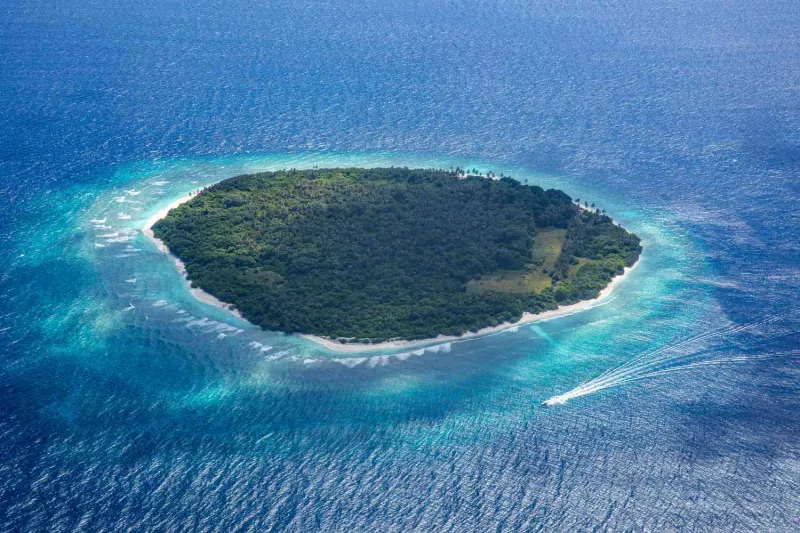
Photo: remote uninhabited Pacific island aerial ocean view, via www.treehugger.com
The Most Casually Bizarre Law Congress Ever Passed
In the mid-nineteenth century, the most valuable substance on earth wasn't gold. It wasn't oil. It was bird droppings.
Guano — the accumulated excrement of seabirds deposited over centuries on remote Pacific and Atlantic islands — turned out to be the most effective agricultural fertilizer then known to science. American farmers couldn't get enough of it. The primary source was Peru, which had developed a near-monopoly and was charging whatever it wanted. American merchants were furious. Congress, as Congress does when commerce is threatened, decided to act.
The result was the Guano Islands Act of 1856, one of the strangest pieces of territorial legislation ever signed into American law — and the foundation for a series of events that sound entirely made up.
What the Law Actually Said
The Guano Islands Act gave any American citizen the right to claim an unclaimed island, rock, or key on behalf of the United States, provided the island contained guano deposits and wasn't already under the jurisdiction of another government. Once claimed, the discoverer had exclusive rights to mine the guano, and the US government would extend its protection to the operation.
On paper, this was a practical solution to a fertilizer supply problem. In practice, it was an open invitation for the most entrepreneurially unhinged Americans of the era to go sailing around the Pacific staking personal claims to chunks of the earth's surface.
Over the following decades, American citizens claimed more than 100 islands under the Act. The US government formally recognized about 66 of them. Several are still considered US territories today, including Midway Atoll, Howland Island, and Jarvis Island — places that appear on maps of American territory with almost no explanation of how they got there.
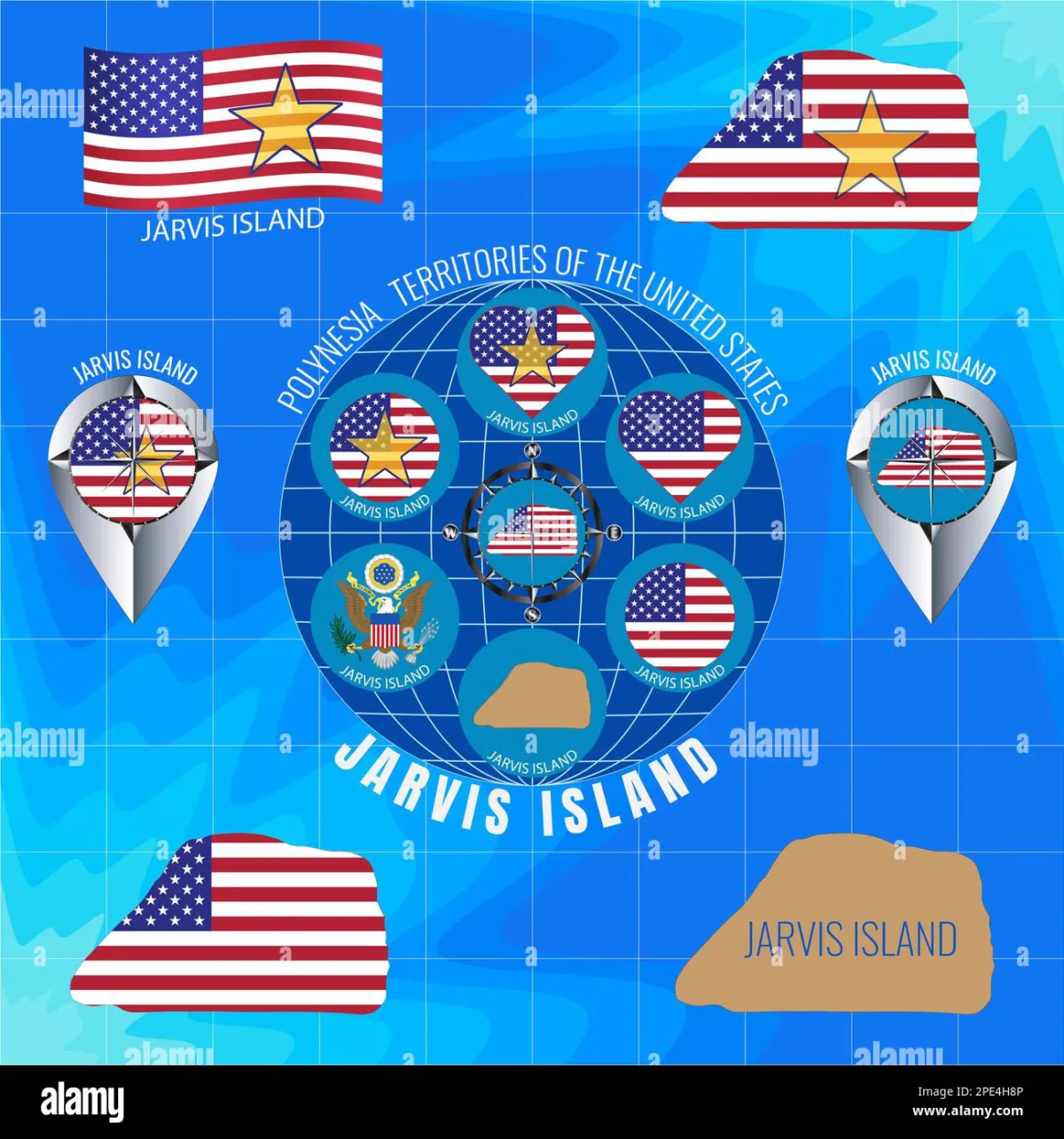 Photo: Jarvis Island, via c8.alamy.com
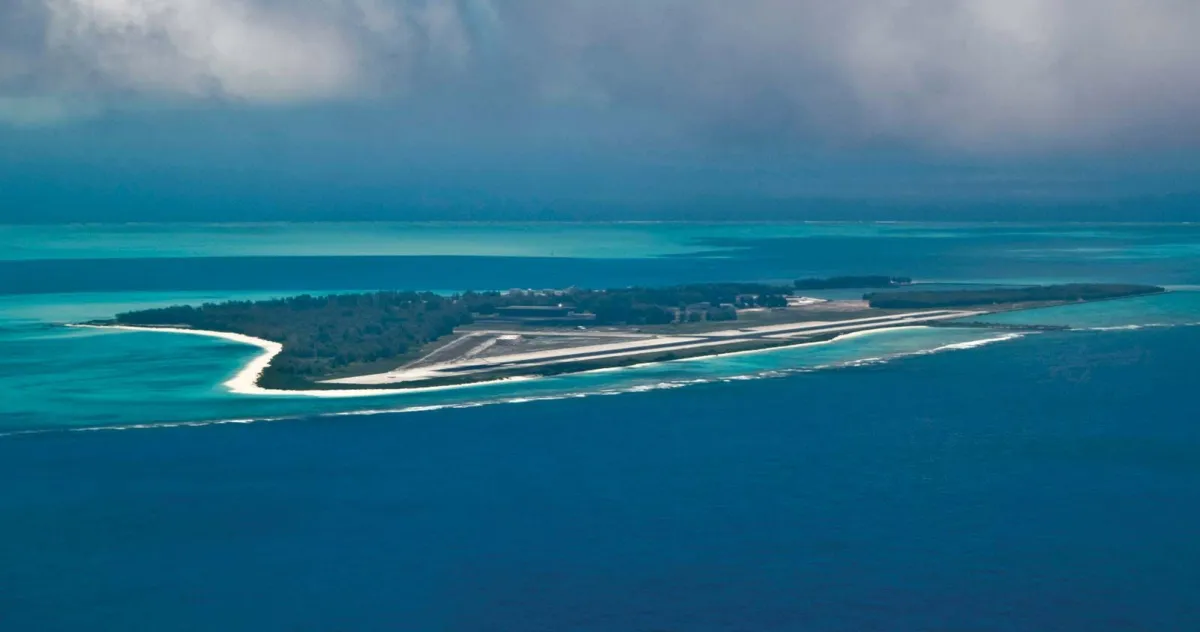 Photo: Midway Atoll, via cdn.britannica.com
The explanation is: bird poop law.
Enter the Rogue Claimants
Here's where the story tilts from peculiar into genuinely unbelievable. The Act's language was loose enough that some claimants didn't stop at filing paperwork. A handful of Americans — merchants, adventurers, and at least a few individuals who had developed creative interpretations of their own importance — decided that claiming an island on behalf of the United States was only the first step. The second step, in their view, was declaring themselves its sovereign administrators.
The legal gap they were exploiting was real. The Guano Islands Act established American jurisdiction over claimed islands but said almost nothing about governance. There was no territorial charter, no appointed governor, no formal administrative structure. The islands existed in a kind of legal twilight: American in theory, ungoverned in practice.
Several claimants issued formal proclamations of personal sovereignty over their respective islands, complete with handwritten constitutions, self-appointed titles, and occasional flags of their own design. One documented case involved a merchant who circulated a written declaration naming himself the sole civil authority of his claimed island and demanding that any visiting vessels recognize his jurisdiction.
The United States government's response to these declarations was, essentially, to say nothing at all.
The Silence Was the Policy
This is the part of the story that legal historians find most interesting. Washington's non-response to rogue claimants wasn't bureaucratic incompetence. It was a calculated choice.
Acknowledging the self-declared sovereigns would have created an immediate problem: the US would either have to validate their claims — essentially confirming that private citizens could establish independent jurisdictions under American law — or formally invalidate them, which would require explaining exactly what the Guano Islands Act did grant, a conversation nobody in Congress was eager to have.
So the government did what governments do when the law has painted them into a corner. It ignored the situation and waited for the problem to resolve itself. The guano ran out. The operations closed. The self-styled kings sailed home. The islands reverted to silence.
The Law That Wouldn't Die
The Guano Islands Act was never repealed. It remains on the books today, codified at 48 U.S.C. §§ 1411–1419, quietly sitting in the United States Code like a constitutional time capsule from the age of fertilizer imperialism.
American territorial scholars occasionally note that the Act's core mechanism — citizen discovery leading to US annexation — technically remains operative. No island claimed under it in the modern era would likely survive diplomatic or legal challenge, but the statute itself hasn't been touched.
The islands it produced, however, are permanent. Midway Atoll, where one of World War II's most decisive naval battles was fought, exists as American territory because of a nineteenth-century bird poop collection law. The math on that is genuinely staggering.
What It Says About How Empires Get Built
The Guano Islands story is usually told as a footnote — a weird historical curiosity wedged between more serious chapters of American expansion. But it deserves more attention than that, because it reveals something true and slightly uncomfortable about how territorial acquisition actually works.
Empires are often built not through grand strategy but through accumulated opportunism, loose statutory language, and a government's willingness to accept whatever its citizens drag back from the edges of the map. The rogue claimants who planted personal flags on Pacific rocks weren't anomalies. They were the system working exactly as designed — they'd just read the terms and conditions more carefully than anyone expected.
The US got its islands. The claimants got their guano. And somewhere in the Pacific, a few very old birds have no idea they're sitting on American soil.