The Space Rock That Rewrote Every Insurance Policy in America After Nobody Thought to Exclude Meteors
On November 30, 1954, Ann Hodges was taking an afternoon nap on her couch in Sylacauga, Alabama, when the universe literally crashed into her living room.
A grapefruit-sized chunk of rock that had been hurtling through space for billions of years punched through her roof, bounced off a radio, and smacked into her hip, leaving her with a spectacular bruise and the distinction of being the first person in recorded history to be struck by a meteorite.
But the real cosmic collision was just beginning — between Ann's insurance company and a legal loophole that nobody in the history of American commerce had ever thought to close.
The Claim That Broke New Ground (Literally)
Ann Hodges did exactly what any sensible homeowner would do after being assaulted by a space rock: she called her insurance agent.
General Accident Fire and Life Assurance Corporation had been covering the Hodges family's modest home for years without incident. Standard stuff — fire, theft, storm damage, the usual perils that might befall a house in rural Alabama. When Ann filed her claim for property damage caused by "meteorite impact," the company's adjusters probably thought it was a prank.
Then they saw the hole in the roof. And the damaged radio. And the meteorite itself, which had been confirmed by geologists from the University of Alabama as genuine extraterrestrial material.
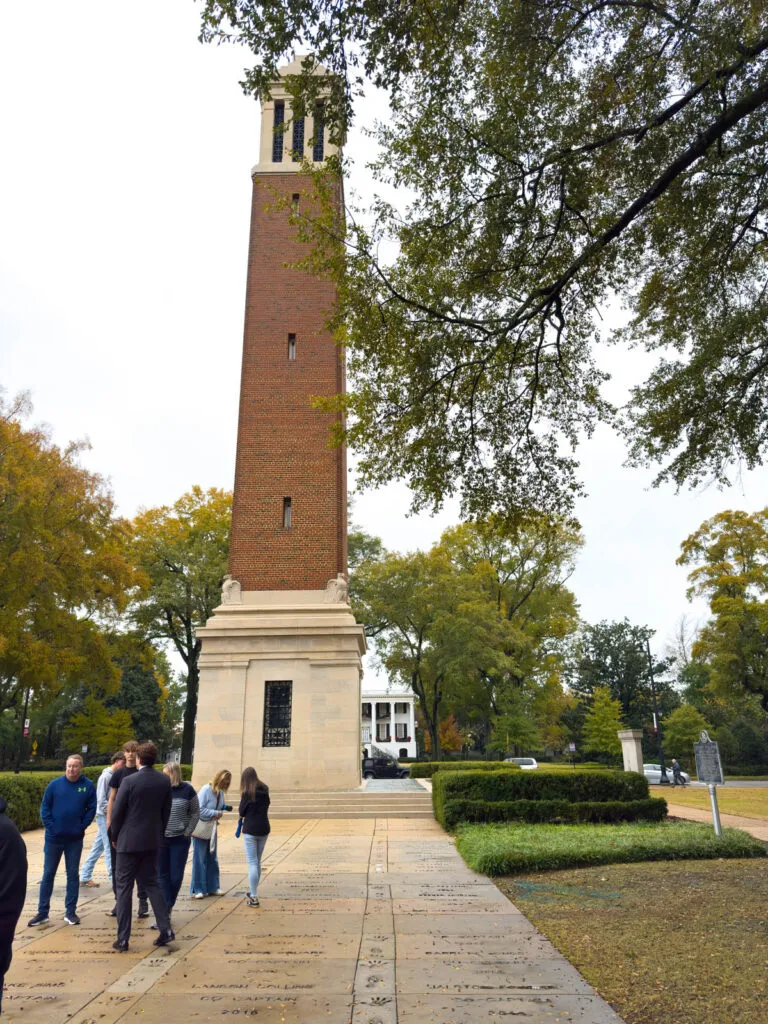 Photo: University of Alabama, via dontjustfly.com
Suddenly, General Accident faced a problem that had never existed before in the history of insurance: they had to decide whether a rock from outer space counted as a covered peril.
The Policy Language That Forgot About Space
Insurance policies in the 1950s were comprehensive documents that attempted to anticipate every possible disaster that might befall American homeowners. They covered fire, wind, hail, lightning, explosions, aircraft damage, and even "falling objects" — a category that typically meant tree branches or construction materials.
But nobody had ever thought to specifically exclude meteorites.
General Accident's lawyers pored over the policy language, looking for any clause that might let them off the hook. The "falling objects" provision seemed promising until they realized it actually supported Ann's claim. The "acts of God" exclusion was debated extensively, but legal precedent suggested that naturally occurring phenomena were generally covered unless specifically excluded.
Most problematically, the policy included broad coverage for "sudden and accidental" damage to the dwelling — and it was hard to argue that a meteorite strike was anything but sudden and accidental.
The Legal Battle That Reached for the Stars
General Accident initially denied the claim, arguing that meteorite strikes were so extraordinarily rare that they fell outside the reasonable expectations of both the insurer and the policyholder. Ann Hodges hired a local attorney who pointed out that rarity didn't equal exclusion — after all, the policy covered lightning strikes, which were statistically more likely but still relatively uncommon.
The case dragged on for months, with both sides consulting experts in astronomy, geology, and actuarial science. General Accident brought in statisticians who calculated that the odds of being struck by a meteorite were roughly one in 182 trillion. Ann's lawyers countered that the odds were irrelevant — the policy language was clear, and meteorites were natural phenomena that caused sudden, accidental property damage.
The breakthrough came when Ann's legal team discovered that General Accident's own policy definitions included coverage for damage caused by "objects falling from aircraft." If the company was willing to cover damage from man-made objects falling from the sky, they argued, why not natural objects falling from space?
The Settlement That Changed Everything
In 1955, General Accident quietly settled with Ann Hodges for an undisclosed amount that covered her property damage and medical expenses. The company never admitted liability, but industry insiders understood the implications: if one of America's major insurers was paying meteorite claims, every other company needed to reconsider their policy language.
Within two years, virtually every homeowner's insurance policy in America had been revised to include specific exclusions for "damage caused by meteorites, asteroids, comets, or other extraterrestrial objects." The Hodges case had created a legal precedent that forced the entire industry to acknowledge risks they'd never considered.
But the story didn't end with exclusions — it began a whole new chapter in specialized coverage.
The Birth of Space Age Insurance
By the early 1960s, as America's space program gained momentum, a curious thing happened: people started asking for meteorite coverage.
The Hodges case had made cosmic risks feel real in a way they never had before. If space rocks could crash through roofs in Alabama, what other extraterrestrial threats might be lurking out there? As satellites began filling Earth's orbit, the possibility of space debris falling to Earth became more than theoretical.
Insurance companies responded by creating specialty policies that specifically covered extraterrestrial risks. These weren't just novelty products — NASA became one of the biggest customers, purchasing coverage for facilities and equipment that might be damaged by space debris or meteorite impacts.
The Modern Legacy of One Small Rock
Today, meteorite insurance is a genuine specialty market worth millions of dollars annually. Observatories, research facilities, satellite ground stations, and even some private homeowners purchase coverage for cosmic risks that were completely ignored before Ann Hodges took her fateful nap.
The language that now appears in virtually every American insurance policy — excluding coverage for "objects falling from space" unless specifically covered by endorsement — traces directly back to a 8.5-pound chunk of rock that traveled 4 billion miles to crash into a living room in Alabama.
Space tourism companies carry specialized policies covering meteorite strikes during flights. Satellite operators purchase coverage for orbital debris collisions. Even some luxury resorts in areas with high meteorite activity offer "cosmic impact" protection as part of their premium packages.
The Universe's Favorite Legal Precedent
The Hodges meteorite case remains the gold standard for extraterrestrial insurance law. Every time a satellite falls to Earth, every time space debris threatens property, every time someone files a claim for cosmic damage, lawyers and adjusters reference the precedent set by Ann Hodges and her afternoon nap.
What makes the story truly absurd is that it took a direct hit from outer space to make America's insurance industry realize they'd forgotten to account for the entire universe. For decades, policies had covered every conceivable earthly disaster while completely ignoring the cosmic shooting gallery we all live in.
Ann Hodges never became wealthy from her encounter with the cosmos — the meteorite itself became the subject of a separate legal battle with her landlord, and she eventually donated it to the Alabama Museum of Natural History. But her bruised hip and damaged radio quietly revolutionized how America thinks about risk, coverage, and the simple fact that sometimes the most unexpected disasters come from the farthest distances imaginable.
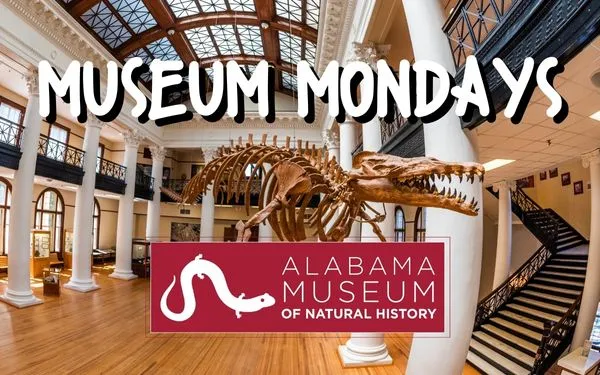 Photo: Alabama Museum of Natural History, via alabama-travel.s3.amazonaws.com
All because nobody thought to write a clause excluding space rocks — until one finally found its way to Alabama and proved that the universe has a sense of humor about human planning.