The Song That Cost More to Sing Than Most Cars — Until One Filmmaker Proved Nobody Actually Owned It
Imagine getting sued for singing "Happy Birthday" at your kid's party. For most of the 20th century, that wasn't just possible — it was profitable business for one of America's biggest music companies.
For over eight decades, Warner/Chappell Music turned four simple notes into a licensing goldmine worth an estimated $50 million. Every time a restaurant sang to customers, every movie that featured a birthday scene, every TV show that dared hum those familiar bars — they all paid up or faced legal action. The song that literally everyone knew became the most expensive four bars of music in human history.
But here's where reality gets stranger than fiction: the entire empire was built on documents that didn't exist and ownership claims that were pure corporate mythology.
The Birthday Shakedown That Lasted Nearly a Century
The madness started in 1988 when Warner/Chappell acquired Birchtree Limited, a music publishing company, for $25 million. Buried in that deal was something called "Happy Birthday to You" — a song so ubiquitous that most people assumed it belonged to humanity itself, like "Mary Had a Little Lamb" or the alphabet.
Warner had other ideas. Almost immediately, they began sending cease-and-desist letters to anyone who dared perform the song commercially without paying licensing fees that could run anywhere from $700 to $30,000 per use.
Restaurants stopped singing to customers. Independent films rewrote birthday scenes. Even major Hollywood studios paid thousands rather than risk a lawsuit over four notes that took less than 30 seconds to sing.
The licensing demands were so aggressive that "Happy Birthday" became a running joke in the entertainment industry. Directors would write elaborate workarounds — characters would hum mysteriously, sing "For He's a Jolly Good Fellow," or simply cut away before anyone could finish the song.
When a Documentary Accidentally Became a Legal Torpedo
In 2013, filmmaker Jennifer Nelson was working on a documentary about the song's history when Warner/Chappell demanded $1,500 for the right to include it in her film. Instead of paying, Nelson did something that would change music history forever: she hired lawyers and sued them back.
What her legal team discovered was extraordinary. The original "Happy Birthday" melody came from a song called "Good Morning to All," written by sisters Patty and Mildred Hill in 1893. But here's the kicker — there was absolutely no evidence that anyone had ever successfully copyrighted the lyrics "Happy Birthday to You."
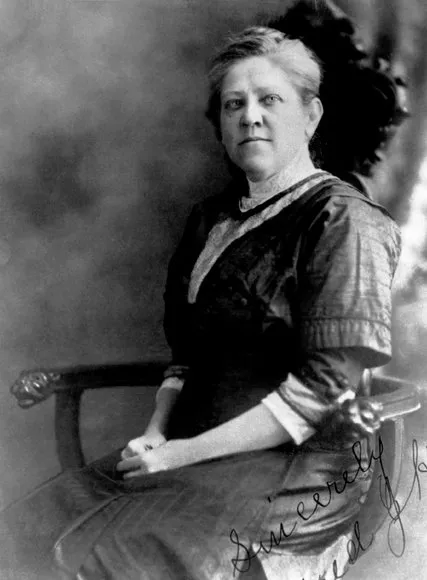 Photo: Patty and Mildred Hill, via s3.amazonaws.com
Warner's ownership claim traced back to a 1935 copyright registration that was supposed to prove the Hill sisters' estate had transferred rights to a music publisher. The problem? That document didn't exist. Court records showed it had never been filed.
The Paper Trail That Led Nowhere
As Nelson's lawyers dug deeper, the case became a masterclass in corporate archaeology. Warner/Chappell's entire claim rested on a chain of ownership transfers dating back to the 1930s, but each link in that chain was either missing, forged, or legally meaningless.
The original Hill sisters had died decades earlier. Their supposed estate transfers were backdated documents created years after the fact. The publishing companies that allegedly bought and sold the rights had changed hands so many times that nobody could produce actual paperwork proving legitimate ownership.
Most damning of all, researchers found evidence that "Happy Birthday to You" had been published without copyright notice in multiple sources before 1923 — meaning it should have been in the public domain for nearly a century.
The Judge Who Ended the Birthday Monopoly
In September 2015, federal judge George H. King delivered a ruling that sent shockwaves through the music industry. After reviewing mountains of evidence, he declared that Warner/Chappell had never owned the rights to "Happy Birthday to You" and that the song belonged to the public.
 Photo: George H. King, via cdn.nba.com
The decision didn't just free the world's most famous song — it exposed how easily corporate claims could masquerade as legal fact for decades without anyone bothering to check the paperwork.
Warner/Chappell agreed to pay $14 million in settlements to people and organizations who had paid licensing fees over the years. But that represented only a fraction of the estimated $50 million they had collected since 1988.
The Aftermath That Changed Everything
The "Happy Birthday" case became a landmark moment in copyright law, proving that even the most established corporate claims could crumble under scrutiny. It sparked a wave of challenges to other supposedly copyrighted songs and forced music publishers to actually produce documentation for their ownership claims.
Today, you can sing "Happy Birthday" anywhere, anytime, to anyone — just like people always assumed they could. Restaurants have birthday songs again. Movies include birthday scenes without million-dollar budgets. The song that was held hostage by paperwork for 80 years finally belongs to everyone.
All because one documentary filmmaker refused to pay $1,500 for something that should have been free all along. Sometimes the most absurd realities hide in plain sight, disguised as normal business practices that nobody thinks to question.
Until someone finally does.